The Shocking Truth About Cooking and Indoor Air Quality
Quick Question: Did You Know Cooking Dinner Could Be As Dangerous As Secondhand Smoke?
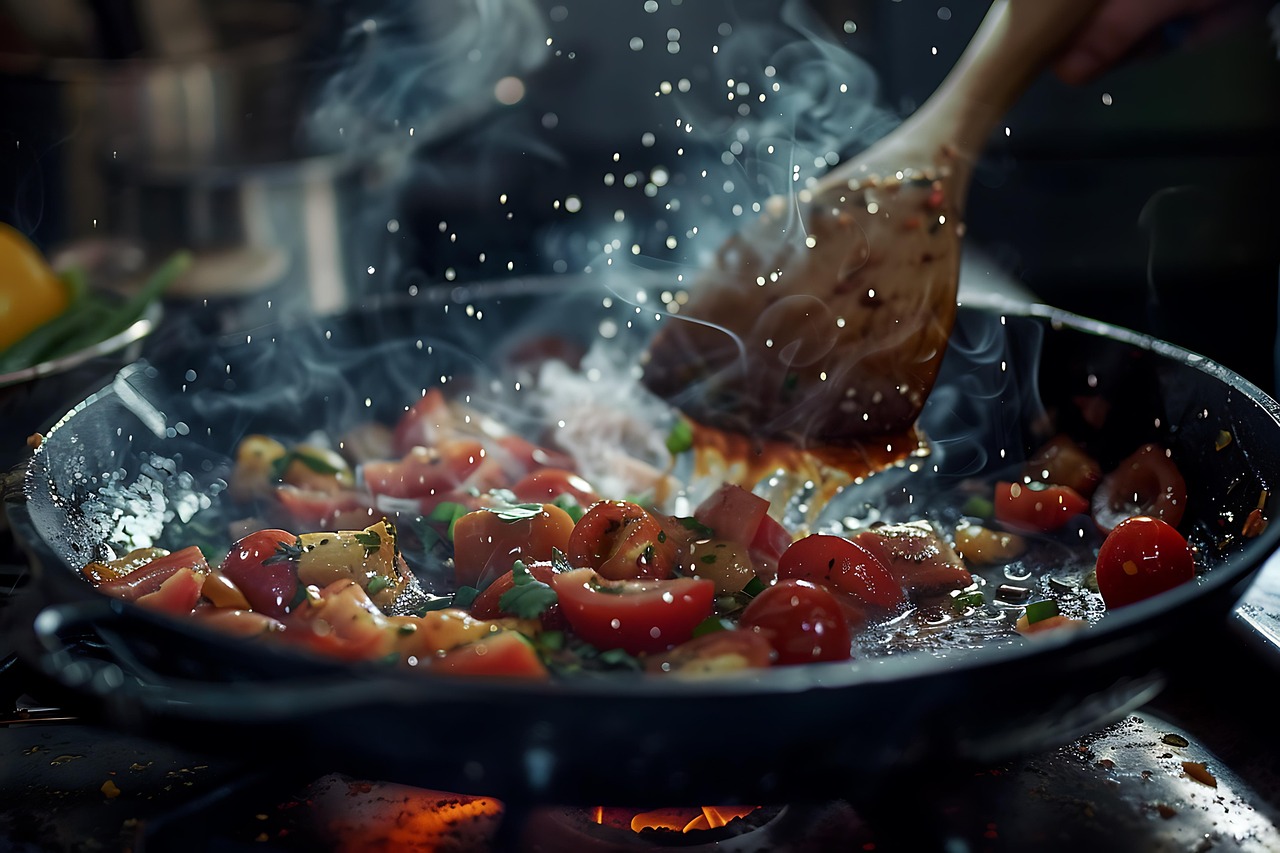
Picture this: you’re making a healthy stir-fry for your family. Fresh vegetables, lean protein, minimal oil. You’re doing everything right, aren’t you? But what if I told you that while you’re creating that nutritious meal, you could be exposing your family to harmful pollutants that rival the toxicity of secondhand cigarette smoke?
This isn’t about scaring you away from your kitchen. We care about your health, and we want you cooking wholesome meals. But we also want you to understand the risks so you can protect yourself.
The Hidden Dangers Lurking in Your Kitchen
Every time you cook, you release a complex mixture of pollutants into your home’s air. The type and amount depend on what you’re cooking, how you’re cooking it, and what kind of stove you’re using. Let’s break down the science behind this invisible threat.
Particulate Matter: The Invisible Invader
When you cook—especially at high temperatures—tiny particles called PM2.5 are released into the air. These particles are so small (2.5 micrometers or less) that they can penetrate deep into your lungs and even enter your bloodstream. Frying, sauteing, and grilling produce the highest levels of particulate matter.
Studies have shown that indoor PM2.5 concentrations during cooking can exceed outdoor air quality standards by significant margins. In some cases, cooking a single meal can raise indoor PM2.5 levels to concentrations considered unhealthy by the EPA.
Nitrogen Dioxide from Gas Stoves
If you cook with natural gas, you’re exposing yourself to nitrogen dioxide—a respiratory irritant linked to increased asthma symptoms, especially in children. Gas stoves can produce NO2 levels that exceed outdoor air quality standards, even when you’re not cooking.
Recent research has found that homes with gas stoves have NO2 concentrations 50 to 400 percent higher than homes with electric stoves. Children living in homes with gas stoves have a 42% increased risk of experiencing asthma symptoms.
Carbon Monoxide: The Silent Killer
Incomplete combustion from gas stoves also produces carbon monoxide. While modern stoves are designed to minimize CO production, poor ventilation can allow dangerous levels to accumulate. Symptoms of low-level CO poisoning—headaches, dizziness, fatigue—are often mistaken for other ailments.
How to Cook Safely Without Compromising Your Health
The good news is that you don’t have to stop cooking to protect your health. With some simple changes, you can dramatically reduce your exposure to cooking-related pollutants.
Use Your Range Hood Properly
Turn on your range hood or exhaust fan every time you cook, not just when you burn something. Make sure it vents to the outside—recirculating fans that just filter and return air don’t remove pollutants effectively. Run it for at least 10-15 minutes after you finish cooking.
Improve Kitchen Ventilation
Open windows while cooking to create cross-ventilation. Even in winter, cracking a window can significantly reduce indoor pollutant concentrations. Position fans to help move air toward open windows or exhaust vents.
Consider Your Cooking Methods
- Use lower heat when possible—high-heat cooking produces more pollutants
- Steam, boil, or use slow cookers for healthier air quality
- Avoid letting oils smoke—choose oils with higher smoke points for high-heat cooking
You Deserve a Healthy Kitchen
Cooking should be a joy, not a health hazard. The kitchen is often the heart of the home—a place where families gather, memories are made, and nourishment is prepared. We want you to continue enjoying this space without worrying about invisible threats to your health.
By understanding the risks and taking simple preventive measures, you can significantly reduce your exposure to cooking-related pollutants. Your lungs will thank you, your family will be healthier, and you can cook with confidence.
Remember: small changes lead to big results. Start today by turning on that range hood, opening a window, or scheduling a stove inspection. Your health is worth it.
SEO Keywords
Primary Keywords:
cooking and indoor air quality, gas stove health risks, kitchen air pollution, cooking emissions, indoor air pollution from cooking
Secondary Keywords:
nitrogen dioxide exposure, PM2.5 from cooking, range hood ventilation, cooking fumes health effects, gas vs electric stove, kitchen exhaust fan, carbon monoxide from cooking, safe cooking methods
Leave a Reply